
Research · 
EU Migration Policy Today: Rules and Trends
The EU began applying its new migration and asylum rules in June 2026. Who decides what those rules say, and what do recent national elections tell us about the direction migration policy could take?
The EU Pact on Migration and Asylum sets common rules for screening people at the external border, processing asylum applications and deciding which country handles a claim. It also sets out how member states share responsibility. In a related change, the first EU-wide list of safe countries of origin allows faster processing of certain asylum claims. Applicants can still explain why their country is unsafe for them personally.
Who decides?
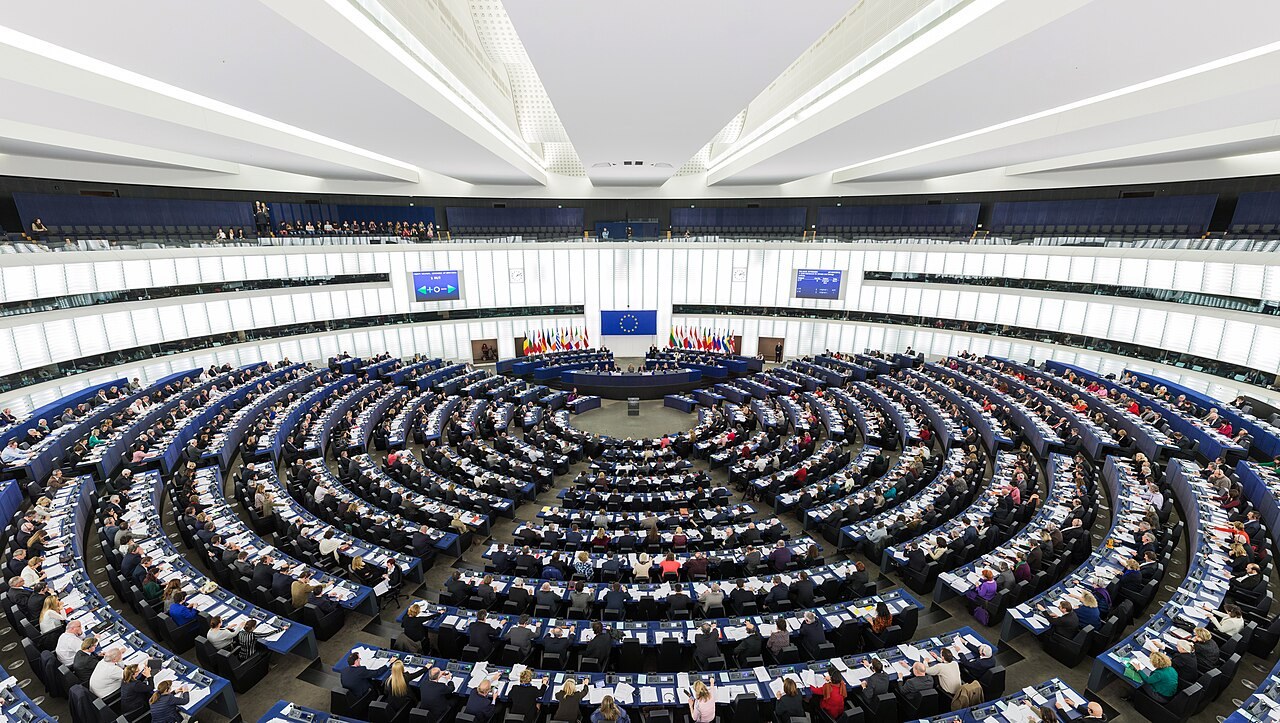
The European Commission usually proposes changes. The European Parliament and the Council of the EU then debate the proposal and must agree on the same text. Citizens elect the members of Parliament. National governments send their ministers to the Council. When all 27 member states take part, the Council normally needs at least 15 countries representing at least 65% of the EU population.
Once the rules apply, national authorities put them into practice, from registering arrivals to deciding asylum claims. The Commission monitors implementation and EU agencies provide support. National elections matter because the governments they help put in office shape what their countries support in the Council. European elections determine who votes in Parliament.

What do national elections suggest?
In 23 of the EU’s 27 member states, more than half of valid votes at the latest national parliamentary election went to parties or alliances that won seats and backed at least one specific measure to tighten migration policy, according to our analysis. The measures varied, from tighter rules on family reunification to broader use of accelerated asylum procedures.
Voters choose parties for many reasons, and those parties may disagree on what should change. In our view, the spread of these proposals across countries and parties suggests there is room for a significantly stricter EU migration policy. Support for any one proposal would need to be measured separately.
Explore the interactive election map to see which parties and measures we counted, how many votes they received and where the figures come from.
What do you think the EU's migration policy should look like in the future?
Forum membership is required to comment.